During the Biden administration, the U.S. Departments of State and Health and Human Services launched a new initiative for community and private sponsorship of refugees. UConn School of Social Work faculty and doctoral students are among the first in the U.S. to conduct qualitative research on this new model.
Under this model, community members take the lead responsibility for resettling refugees in their local community. This support includes locating housing, assisting refugees in finding jobs, and facilitating access to schooling, healthcare, and social services.
Kathryn Libal, Ph.D., director of UConn’s Gladstein Family Human Rights Institute and social work and human rights professor, is the principal investigator of a qualitative study, “Refugees and Asylum Seekers’ Perspectives on Community Sponsorship Initiatives in the United States,” that received a 2024 UConn Internal Funding Award REP (Research Excellence Program) grant of approximately $25,000.
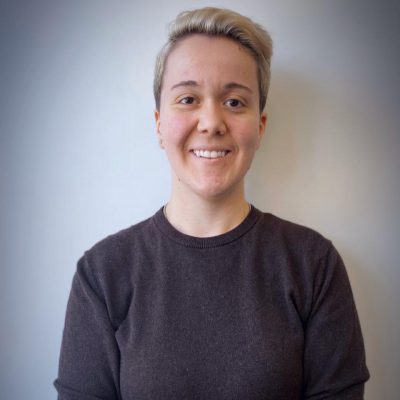
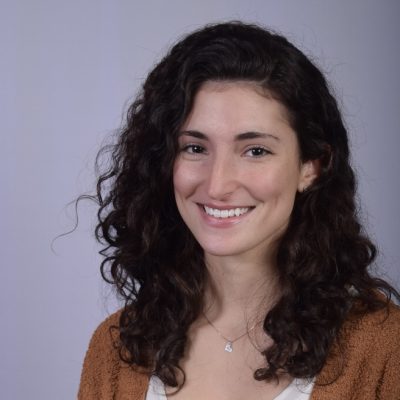
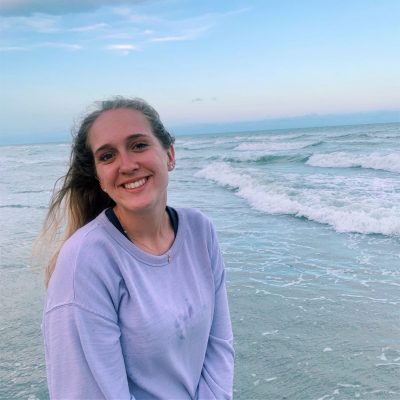
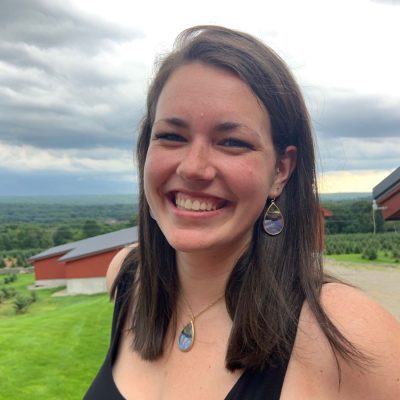
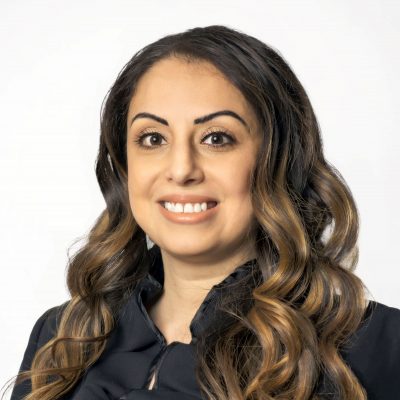
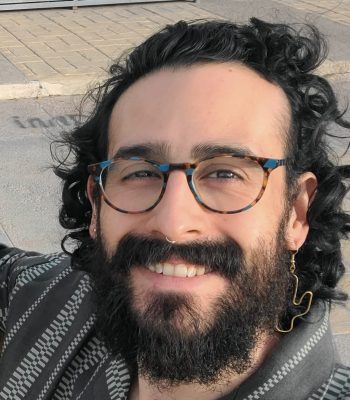
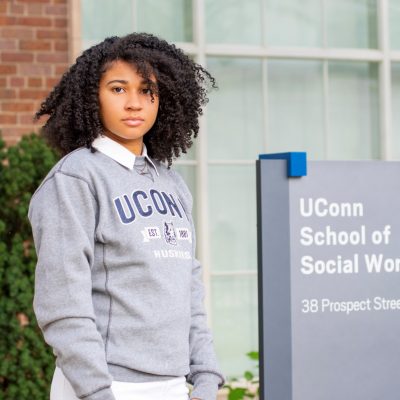
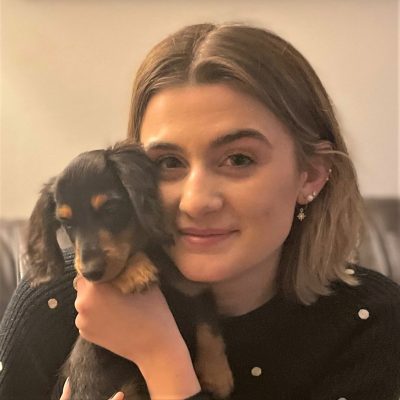
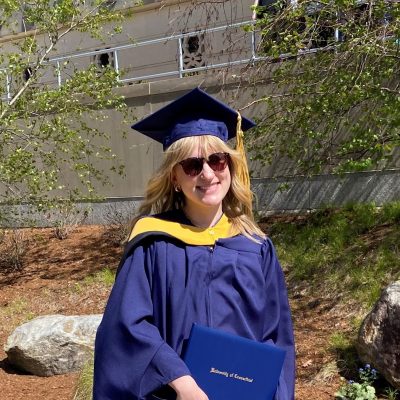
Libal leads a team of co-PIs including: associate professor and associate dean for academic affairs, Scott Harding, Ph.D., and social work professor S. Megan Berthold, Ph.D., LCSW, along with recent UConn SSW alumna, Madri Hall-Faul, Ph.D., assistant professor of social work at the University of Kentucky, and social work doctoral students Craig Mortley, Elnara Klicheva, and Yvonne Mbewe.
Libal’s interest in working with refugees began in 2007 when she and Harding initiated research to understand social work’s role in advocacy for Iraqi refugees who had been displaced after the U.S.-led war in Iraq. They partnered with Berthold to form a team with expertise in clinical and policy related issues on forced migration. Berthold brings 40 years of experience in understanding and supporting the experiences of refugees adapting to life in a new world. She serves as the newly appointed Fulbright Canada Distinguished Research Chair in Public Affairs in North America: Society, Policy, Media, at Carleton University, a prestigious award that will allow her to expand the collaborative refugee research with Libal and Harding to Canada.
Throughout the course of their current project, the team has interviewed community sponsorship volunteers and medical, mental health, and immigration attorneys throughout the U.S. to learn about how they operate, where they excel, what challenges they face, and how community sponsorships could be strengthened. The next project phase entails interviewing refugees who have experienced the community sponsorship program in the U.S. and Canada where Berthold will conduct research with refugees, service providers, and community members.
Harding, whose research interests include forced migration and refugee resettlement, served for eight years on the Board of Integrated Refugee and Immigrant Services (IRIS). The nonprofit organization was an early innovator of community sponsorship and has helped thousands of refugees and displaced people start new lives in Connecticut as well as across the U.S.
“This project can ideally help us contribute to better preparation of social work students and allied practitioners to understand the challenges refugees themselves are experiencing and repoint them in terms of their transition to life in a new country,” Harding said. “We intend to use this information to better meet their needs, whether that’s their health needs, service needs, educational needs, whatever it might be. In that sense, the research will allow us to provide support in different ways to community sponsorship groups, and better promote their health and well-being.”
In the first phase of the project, the team focused on interviewing people in the U.S. who supported refugee resettlement, including community sponsorship group members. In the second phase, they will seek insights from refugees who experienced community sponsorship and gather their feedback on the program firsthand. The team has expanded the research to Canada due to Canada’s leadership in community and private sponsorship programs. They hope to apply insights from Canada’s model to inform research and advocacy on similar approaches that could be implemented in the U.S.
Berthold believes more trauma-informed care is needed that is accessible to refugees, which is another focus for the project.
“Refugees by definition have been persecuted. They have experienced one or more traumas on top of fleeing their homeland and often have been separated from family members. We are asking refugees for their insights regarding how appropriate the services they have received are given their culture and experiences of trauma,” Berthold said. “We are also exploring their experiences in trying to access health, mental healthcare, and social services.”
Libal, Berthold, and Harding are particularly interested in hearing refugees’ feedback about working with community service organizations.
“We seek to better understand how newcomers feel about teams of people working with them in their first year in the U.S. and Canada,” Libal said. “Imagine arriving in a new country and then having a large team of individuals volunteer their time to support your family. We want to know what is that like? How do refugees build and sustain relationships with volunteers? What are their perceptions of being welcomed into new communities by community sponsor volunteers? How do they grapple with the challenges of securing work, getting children into schools, learning a new language, and making connections with others in the community, while being supported by volunteers?”
As importantly, Libal added, interviewing refugees can lead to a better understanding of how community sponsorship may be strengthened in the future and how social work can play a more robust role in supporting this approach.